Arborvitae Screens
by Admin
Posted on 09-08-2025 07:33 PM

Benefits of Arborvitae Screens
Arborvitae screens offer a number of benefits, including privacy, noise reduction, and wind protection. They can be used to block out unwanted views, reduce noise pollution, and protect plants and gardens from harsh winds. Additionally, arborvitae screens are a natural and attractive alternative to traditional fencing materials, such as wood or metal. They are also relatively low maintenance, as they require less pruning and care than other types of hedges or screens.
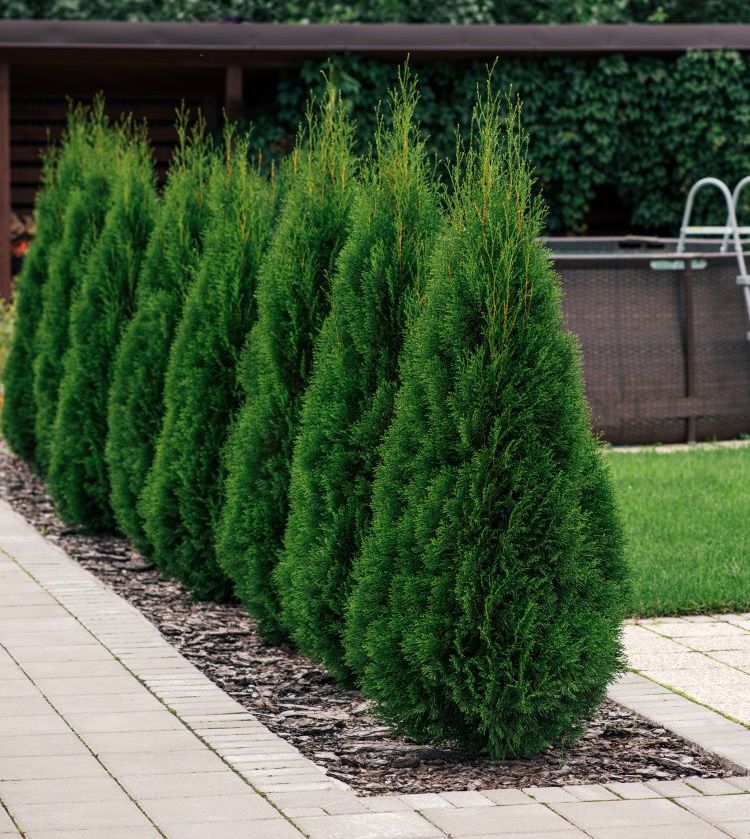
Types of Arborvitae Screens
There are several types of arborvitae screens available, including:
Live Arborvitae Screens
Live arborvitae screens are made from living arborvitae trees that are planted in a container or in the ground. These screens are a popular choice for landscaping and gardening, as they are relatively low maintenance and can be easily trimmed and pruned to maintain their shape. Live arborvitae screens can be used to create a natural and attractive border or screen, and can be trained to grow in a variety of shapes and sizes.
Artificial Arborvitae Screens
Artificial arborvitae screens are made from synthetic materials, such as polypropylene or polyethylene, and are designed to mimic the appearance of live arborvitae trees. These screens are a popular choice for areas where live plants are not feasible, such as indoor spaces or areas with poor soil quality. Artificial arborvitae screens are also relatively low maintenance, as they do not require watering or pruning.
Choosing the Right Arborvitae Screen
When choosing an arborvitae screen, there are several factors to consider, including the size and shape of the screen, the type of arborvitae trees used, and the level of maintenance required. It is also important to consider the climate and soil conditions in your area, as well as any local regulations or restrictions on the use of arborvitae screens. Additionally, it is a good idea to consult with a landscaping or gardening professional to determine the best type of arborvitae screen for your specific needs and budget.
Maintaining Arborvitae Screens
Arborvitae screens require regular maintenance to keep them looking their best. This includes watering, fertilizing, and pruning the trees on a regular basis. It is also important to inspect the screen regularly for signs of damage or disease, and to take action quickly if any problems are detected. Additionally, it is a good idea to mulch around the base of the trees to retain moisture and suppress weeds.
Uses for Arborvitae Screens
Arborvitae screens can be used in a variety of ways, including as a natural solution for creating private outdoor spaces, and you can learn more about the benefits of using Arborvitae Screens in your yard or garden.
Privacy Screens
Arborvitae screens can be used to create a private and secluded area in your yard or garden. They can be used to block out unwanted views, reduce noise pollution, and protect plants and gardens from harsh winds.
Windbreaks
Arborvitae screens can be used to protect plants and gardens from harsh winds and weather conditions. They can be used to create a windbreak or buffer zone, which can help to reduce soil erosion and protect plants from damage.
Decorative Screens
Arborvitae screens can be used as a decorative element in your yard or garden. They can be used to create a natural and attractive border or screen, and can be trained to grow in a variety of shapes and sizes.
Common Problems with Arborvitae Screens
Arborvitae screens can be susceptible to a number of problems, including disease, pests, and damage from weather conditions. Some common problems with arborvitae screens include:
Disease
Arborvitae trees can be susceptible to a number of diseases, including root rot, leaf spot, and canker. These diseases can be caused by a variety of factors, including poor soil quality, overwatering, and lack of maintenance.
Pests
Arborvitae trees can be susceptible to a number of pests, including insects, mites, and rodents. These pests can cause damage to the trees, including defoliation, dieback, and damage to the bark and roots.
Conclusion
Arborvitae screens are a popular choice for landscaping and gardening due to their versatility, low maintenance, and year-round beauty. They can be used to create a private and secluded area, protect plants and gardens from harsh winds and weather conditions, and add a decorative element to your yard or garden. By choosing the right type of arborvitae screen and providing regular maintenance, you can enjoy the benefits of these screens for years to come.
FAQs
What are arborvitae screens made of?
Arborvitae screens are made from arborvitae trees, which are a type of evergreen tree that is native to North America.
How do I care for my arborvitae screen?
Arborvitae screens require regular maintenance, including watering, fertilizing, and pruning the trees on a regular basis.
Can I use arborvitae screens indoors?
Yes, artificial arborvitae screens can be used indoors, while live arborvitae screens are typically used outdoors.
How long do arborvitae screens last?
The lifespan of an arborvitae screen will depend on a variety of factors, including the type of trees used, the level of maintenance provided, and the climate and soil conditions in your area.
Can I trim or prune my arborvitae screen?
Yes, arborvitae screens can be trimmed or pruned to maintain their shape and size. It is recommended to prune the trees regularly to keep them healthy and looking their best.